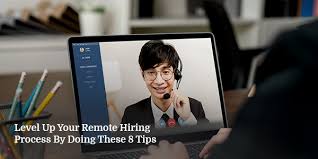
Hiring people today feels different. Many jobs can be done from anywhere. This opens up a whole new world for finding good workers.
But it also brings new puzzles to solve. How do you find the best person when they aren’t nearby? This guide will walk you through that.
We’ll cover everything you need to know.
The remote hiring process involves attracting, screening, interviewing, and onboarding candidates who will work from outside a traditional office. It focuses on leveraging technology to build a distributed team effectively and compliantly.
What Is The Remote Hiring Process?
The remote hiring process is the whole journey. It’s how a company finds and hires people. These people will work from their own homes or places.
It’s not just about interviewing online. It includes everything from the first job ad to the new hire starting work. This process uses digital tools a lot.
Think video calls, online tests, and digital paperwork.
Companies use this method to look beyond their local area. They can find talent anywhere. This is great for finding people with special skills.
It can also save money. Some companies don’t need as much office space. The main goal is to find the right person.
They need to fit the job and the company culture. This happens even if they live far away.
My Remote Hiring Adventure
I remember a time we needed a new designer. Our small city just didn’t have many people with the exact skills we wanted. I was leading the hiring for this role.
I felt a bit stuck. We put out ads, but only a few good resumes came in. Most were okay, but not great.
Then, I thought, “Why limit ourselves?” I pushed to open the search nationwide. It felt like a big leap. My manager was worried about managing someone far away.
I was excited but also nervous. What if we couldn’t tell if they were a good fit over video? What about time zone differences?
The first video interview felt strange. It was just me and a small screen. I missed reading body language in person.
But I learned to listen more closely. I asked more questions. It took time, but we found an amazing designer.
She lived in a different state. This whole experience taught me a lot about what’s possible.
Remote Hiring Steps
Job Posting: Write clear job descriptions. Highlight remote work. Use keywords people search for.
Application Review: Look for skills and experience. See how well they write.
Initial Screen: A short call. Check basic fit and interest.
Video Interviews: More in-depth chats. Use good video tools.
Skills Assessment: Tests or projects. See what they can do.
Reference Checks: Talk to past employers.
Offer & Onboarding: Send the offer. Help them start remotely.
Crafting the Perfect Remote Job Ad
The first step is to get people to apply. Your job ad is key here. It needs to be clear.
People need to know exactly what you’re looking for. Use simple words. Tell them the main duties.
What skills do you need? What experience helps?
It’s also vital to say the job is remote. Be upfront about it. This saves everyone time.
Mention if there are any location rules. For example, do they need to be in a certain US state? Or a specific time zone?
If not, say so. Say “Fully Remote.” Or “Remote (US Only).” This helps people know right away.
Also, talk about the company. What makes it a good place to work? What’s your culture like?
Even if people are remote, they want to feel part of something. Use strong words. Make it sound like a great chance.
People will see this first. It needs to grab their eye.
What Makes a Good Remote Job Ad?
- Clear Title: Says the job and if it’s remote.
- Job Summary: A short overview of the role.
- Key Responsibilities: What the person will do each day.
- Required Skills: Must-haves for the job.
- Preferred Skills: Nice-to-haves that help.
- Experience Level: How many years are needed.
- Company Culture: What it’s like to work there.
- Benefits: What the company offers (pay, time off, etc.).
- Location Details: Specify if remote or hybrid. Any state/country limits?
Screening Resumes for Remote Talent
Once applications come in, you need to sort them. This is where you find the diamonds. Look at resumes closely.
What skills do they list? Do they match your needs? Look for experience.
Have they done similar work before?
Pay attention to how they write. Is their resume well-organized? Are there typos?
This can show attention to detail. It’s also a clue about their communication skills. For remote work, clear writing is very important.
Since you won’t chat often face-to-face, written words matter more.
Consider their work history. Do they show a pattern of good performance? Have they worked on projects from home before?
This isn’t always listed, but sometimes you can tell. Look for keywords that match your job. But don’t just count words.
Understand what the words mean.
The Art of the Virtual Interview
Interviews are different when you’re not in the same room. Video calls are the main tool. You need to make sure your tech works well.
So does the candidate’s. Good audio and video are a must. It helps you focus on the talk.
Start with a friendly tone. Make them feel at ease. Ask open-ended questions.
These questions make them talk more. “Tell me about a time when.” is a great start. Ask about how they handled problems.
Ask about their successes. Ask how they work with others. This is key for remote teams.
Listen carefully. Are their answers clear? Do they make sense?
Do they seem engaged? Watch their faces on the screen. Are they making eye contact?
Nodding? It’s not the same as in person, but you can still read a lot.
For remote roles, ask specific questions. How do they stay focused at home? How do they manage their time?
How do they communicate with a team they don’t see daily? What tools do they use? Their answers will tell you a lot about their remote work style.
Remote Interview Tips
- Test Your Tech: Ensure your camera and mic work perfectly.
- Choose the Right Platform: Use reliable video conferencing tools.
- Set the Scene: Find a quiet, well-lit space. Use a neutral background.
- Dress Professionally: Treat it like an in-person meeting.
- Prepare Questions: Have a list ready. Mix behavioral and situational questions.
- Active Listening: Pay close attention. Minimize distractions.
- Take Notes: Jot down key points and observations.
- Observe Engagement: Look for signs of interest and focus.
- Allow Time for Questions: Let the candidate ask about the role and company.
- Follow Up Promptly: Let them know the next steps.
Assessing Skills Remotely
Sometimes, just talking isn’t enough. You need to see what they can do. This is where skills tests come in.
For remote hiring, these are usually online. They can be short quizzes. Or they can be bigger projects.
For example, a writer might get a test to write a blog post. A programmer might get a coding challenge. A designer might get a small design task.
Make sure the test is fair. It should match what they’ll actually do on the job. Give them enough time to finish it.
But don’t give them too much time.
These tests help you compare candidates. They show you their actual abilities. They are a good way to see if they can do the work.
This is very important for remote hiring process success.
Skills Assessment Methods
- Online Quizzes: Good for testing knowledge.
- Coding Challenges: For software development roles.
- Writing Samples: Essays, blog posts, reports.
- Design Projects: Small tasks that mimic real work.
- Case Studies: Problem-solving scenarios.
- Simulations: Interactive tests that mimic job tasks.
Checking References for Remote Workers
Checking references is still a vital part of hiring. Even for remote jobs. You want to hear from people they worked with before.
Ask specific questions. Did they meet deadlines? How were they as a team member?
Would they hire them again?
When you call references, be prepared. Have a list of questions ready. Ask about their strengths and weaknesses.
Ask about their work habits. Did they work well with less supervision? This is a good question for remote hires.
Listen to what the reference says. Do they sound genuine? Are their answers direct?
Sometimes, you can learn a lot from how they answer. Or what they don’t say. It helps you get a fuller picture.
Making the Offer and Onboarding Remotely
You found the right person! Now, you need to offer them the job. This usually happens with a formal offer letter.
It lists the pay, start date, and benefits. Send this by email. Make sure it’s clear.
If they accept, you’ll need to get paperwork done.
Onboarding is where they officially join. For remote hires, this needs special thought. They won’t be walking into an office.
You need to send them equipment. Think laptops, monitors, and anything else they need. Make sure it arrives before their start date.
You’ll need to do paperwork online. Signatures can be done digitally. Set up their access to company systems.
Email, chat tools, project software. Make sure they can get in. Plan their first few days.
Schedule meetings. Introduce them to the team. Have someone show them how things work.
The goal is to make them feel welcome. And ready to start work.
Remote Onboarding Checklist
- Equipment Shipment: Laptop, phone, accessories sent and received.
- IT Setup: All accounts created and tested.
- Digital Paperwork: Signed offer letter, HR forms, tax documents.
- Welcome Kit: Company swag or useful items.
- Team Introductions: Virtual meetings with key colleagues.
- Onboarding Schedule: Planned meetings and training for week one.
- Key Contact: Assign a buddy or mentor.
- System Training: How to use core company tools.
Legal and Compliance Issues in Remote Hiring
Hiring people in different places brings rules. You need to know the laws. For example, taxes can be tricky.
If someone works in another state, your company might owe taxes there. You might need to follow their labor laws too.
Some states have specific rules. Like rules about pay transparency. Or rules about final paychecks.
You need to understand these. The U.S. has different rules in each state.
Companies often use Employer of Record (EOR) services. These companies handle payroll and compliance. They make sure you follow all rules.
This helps a lot for the remote hiring process.
It’s smart to talk to a lawyer. Or an HR expert. They can help you sort out these details.
Getting this wrong can cause big problems later. It’s better to be safe from the start.
Building Company Culture with Remote Teams
Company culture is how people act and feel at work. It’s important for remote teams too. How do you build it when people aren’t together?
It takes effort. You need to be more intentional.
Use your communication tools often. Have team chats. Encourage people to talk about more than just work.
Share photos of pets. Talk about weekend plans. Make virtual coffee breaks a thing.
Have virtual team events. Like online games or trivia.
Celebrate wins. Share good news. Make sure everyone feels heard.
Leaders need to show they care. They need to be visible. Even on a screen.
A strong culture helps keep people happy. It helps them feel connected. This leads to better work.
Keeping Remote Culture Alive
- Regular Check-ins: One-on-one meetings with managers.
- Team Socials: Virtual coffee chats, happy hours, game nights.
- Recognition Programs: Shout-outs for good work.
- Shared Values: Clearly state company values and live by them.
- Open Communication Channels: Use tools like Slack or Teams for informal chat.
- Feedback Loops: Encourage and act on employee feedback.
Tools for Remote Hiring Success
Many tools make the remote hiring process easier. Applicant Tracking Systems (ATS) help manage applications. They sort resumes and keep track of candidates.
Video conferencing tools like Zoom or Google Meet are essential. They make interviews smooth.
E-signature tools like DocuSign help with paperwork. Project management tools like Asana or Trello help teams work together. Communication apps like Slack or Microsoft Teams keep everyone in touch.
Choose tools that fit your needs. Train your team on how to use them well.
Key Remote Hiring Tools
- ATS: Greenhouse, Workable, BambooHR
- Video Conferencing: Zoom, Google Meet, Microsoft Teams
- E-Signatures: DocuSign, Adobe Sign
- Project Management: Asana, Trello, Monday.com
- Communication: Slack, Microsoft Teams
- Background Checks: Sterling, Checkr
- Onboarding Software: Rippling, Gusto
When is Remote Hiring Right for You?
Remote hiring isn’t for every company. Or every job. Think about your business needs.
Can the work truly be done from anywhere? Do you have the tech and processes to support it? Are your leaders ready to manage remote teams?
Some jobs need hands-on work. Like factory jobs or certain retail roles. For these, remote hiring doesn’t make sense.
Other roles might need close team collaboration. Or need staff present for clients. For these, a hybrid model might be better.
Or perhaps a full in-office team.
If your company values face-to-face interaction highly, remote might be tough. If you can adapt and embrace new ways of working, it can be great. It opens up a huge talent pool.
It can make your company more flexible.
Common Challenges in Remote Hiring
One big challenge is finding people. You get more applicants. But sifting through them can be hard.
It takes more time. Another is building trust. It’s harder to know someone well on video.
You rely more on their words and past work.
Culture fit is another puzzle. How do you know if they’ll blend in? Or if they’ll enjoy your remote way of working?
Time zones can be tricky. Meetings need careful planning. So people aren’t up too late or too early.
Keeping remote workers engaged is also a challenge. They can feel left out. Or isolated.
You need to work harder to include them. These are real issues. But they can be solved with good planning and effort.
What This Means for Your Job Search
If you’re looking for a job, remote hiring is good news. It means you’re not limited by where you live. You can apply for jobs anywhere.
You can find roles that fit your skills. Even if they’re far away.
You need to show you can work well from home. Highlight skills like self-motivation. Good time management.
Strong communication. Use your resume to show this. Your cover letter is a chance to explain why you’re great for remote work.
Be ready for video interviews. Make sure your tech is good. Practice talking on camera.
Think about what kind of remote work you want. Fully remote? Or hybrid?
Do you want to work for a company that’s always remote? Or one that’s adding remote roles?
Tips for a Better Remote Hiring Process
Make your job description very clear. What are the main duties? What skills are a must?
What would be nice to have? State clearly if the job is remote. And if there are location limits.
Use a good Applicant Tracking System (ATS). It helps manage all the job applications. Make sure your video interviews are smooth.
Test your equipment. Choose a quiet place to interview. Ask good questions.
Focus on how they solve problems. And how they work with others.
Give them a skills test that’s like real work. This shows what they can do. Check their references carefully.
Ask about their work habits. Plan remote onboarding well. Send equipment early.
Set up all their logins. Make them feel welcome.
Remember to follow all the laws. For taxes and employment rules. It’s smart to get help here.
Building culture is key. Have virtual events. Encourage team chat.
Keep communication open. This makes remote teams work.
Frequently Asked Questions about Remote Hiring
How do I know if a candidate will be a good fit for remote work?
Look for signs of self-discipline, good time management, and strong communication skills. Ask specific questions about how they stay focused and organized when working from home. Past remote work experience is a plus.
What are the biggest challenges in remote hiring?
Key challenges include assessing cultural fit without in-person interaction, ensuring strong communication across distances and time zones, and managing legal and compliance issues across different states or countries.
How can I make virtual interviews more effective?
Ensure good lighting and clear audio for everyone. Prepare thoughtful questions that go beyond surface-level answers. Observe engagement and listen actively.
Give candidates ample time to ask questions about the role and company.
Is it harder to build company culture with remote employees?
It can be, as you lose spontaneous office interactions. However, with intentional effort through virtual social events, regular team check-ins, and open communication channels, a strong remote culture can be built and maintained.
What legal things do I need to consider when hiring remotely?
You must comply with employment laws and tax regulations in the state or country where your remote employee lives. This includes payroll taxes, benefits, and other labor laws. Consulting with HR and legal experts is highly recommended.
How do I onboard a new remote employee successfully?
Successful remote onboarding involves shipping necessary equipment ahead of time, setting up all digital accounts and systems, completing paperwork electronically, scheduling introductions to the team, and providing a clear plan for their first week.
Conclusion
The remote hiring process is changing how we find talent. It offers many chances. It also has its own puzzles.
By planning well, using the right tools, and focusing on clear communication, you can build a great remote team. This guide gives you a solid path forward. Happy hiring!