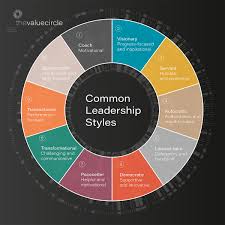
Effective remote leadership means fostering connection, clear communication, and trust. It involves adapting traditional management styles to a virtual setting, focusing on outcomes, and ensuring team members feel supported and valued. Mastering these skills helps build a high-performing, engaged remote workforce.
Understanding Remote Leadership
Remote leadership is about guiding a team that isn’t physically together. This means your team members work from different places. They might be at home or in other offices.
Your job is to help them succeed no matter where they are. It’s different from leading people who are right next to you.
You can’t just walk over to someone’s desk. You can’t see their body language easily. You have to find new ways to connect.
This style of leading grew a lot in recent years. Many companies now let people work from home sometimes or all the time. So, learning these skills is very important.
It’s not just about managing tasks. It’s about building a sense of team. It’s about making sure everyone feels heard.
It’s also about making sure everyone knows what to do. Good remote leadership means being clear and being supportive. It helps keep everyone motivated.
It also helps them do their best work.
My Own Remote Leadership Journey
I remember when my company first went remote. It felt strange. I was used to seeing my team every day.
I could check in easily. Suddenly, everyone was a tiny box on my screen. I started to worry.
Was anyone actually working? Was I losing touch with them? I felt a bit lost.
I was used to guiding people in person. Now, I had to figure out how to do it online.
One afternoon, I noticed a project was really behind. My first thought was to jump into a video call and ask what was wrong. But then I stopped myself.
I thought about how that might make my team feel. It might feel like I didn’t trust them. I felt a knot of worry in my stomach.
I wanted to fix it, but I didn’t want to make things worse. That day, I realized I needed to learn new ways to lead.
I started reading and talking to other leaders. I experimented with different tools. I learned that building trust is key.
I found out that clear, regular communication is vital. It took time and some mistakes. But I learned how to lead my remote team better.
I saw them become more confident and productive. It made a big difference for all of us.
Remote Work Challenges for Leaders
Communication Gaps: Not seeing people face-to-face can lead to misunderstandings. It’s harder to pick up on non-verbal cues. Information can get lost in emails or messages.
Building Trust: It takes more effort to build strong trust when you don’t share a physical space. Leaders need to be intentional about creating this bond.
Team Cohesion: It’s tougher to foster a sense of camaraderie. Casual chats by the coffee machine are missed. This can make people feel isolated.
Performance Monitoring: Leaders may worry about productivity. They need ways to track progress without micromanaging. This requires a focus on outcomes.
Work-Life Balance: It can be hard for employees to switch off when their home is their office. Leaders must encourage healthy boundaries.
Key Remote Leadership Skills
There are several skills that really help when leading a remote team. These skills build on good leadership principles but need special attention online.
1. Excellent Communication
Clear communication is number one. You need to be very good at telling people what needs to be done. You also need to listen well.
Use different tools for different needs. Some things are good for quick chats, like instant messaging. Others are better for important details, like email.
Video calls are great for discussions.
Make sure your instructions are simple. Avoid jargon. Ask if people understand.
Encourage questions. Regular check-ins are important. These can be one-on-one meetings or team huddles.
These meetings help everyone stay on the same page. They also give people a chance to voice concerns.
2. Building Trust
Trust is the foundation of any team. In a remote setting, you must work hard to build it. Start by trusting your team members.
Give them the freedom to do their work. Avoid micromanaging them. Show them you believe in their ability to get the job done.
Be honest and open. Share information about company goals. Talk about challenges.
When you are transparent, people are more likely to trust you. Keep your promises. If you say you’ll do something, do it.
This consistency builds reliability.
3. Fostering Connection
It’s easy for remote teams to feel disconnected. You need to create opportunities for people to bond. This goes beyond work tasks.
Have casual chats before meetings start. You can use fun icebreaker questions. Encourage team members to share personal updates if they are comfortable.
Team-building activities can help. These don’t always have to be fancy. A virtual coffee break or a game session can make a difference.
The goal is to help people feel like they are part of a group. They should feel like they have friends at work.
4. Setting Clear Expectations
When working remotely, clarity is super important. People need to know exactly what is expected of them. This includes work tasks, deadlines, and quality standards.
Make sure everyone understands their roles and responsibilities. Write these down so people can refer to them.
Talk about how success will be measured. Focus on results. What are the key things that need to be achieved?
Set clear goals. Use tools that help track progress. This helps everyone see how their work contributes to the bigger picture.
5. Providing Feedback and Recognition
Giving feedback helps people grow. In a remote setting, you need to be more deliberate about it. Schedule regular feedback sessions.
Make them constructive and specific. Tell people what they are doing well. Also, tell them where they can improve.
Offer support for improvement.
Recognize good work. When someone does a great job, let them know. Share their success with the team.
Public recognition can be very motivating. It shows that you notice their efforts. It makes people feel valued and appreciated.
6. Empathy and Support
Remote work can bring unique challenges for individuals. Some people struggle with isolation. Others might have distractions at home.
Be understanding. Ask people how they are doing. Listen to their concerns without judgment.
Offer flexibility when possible.
Show that you care about their well-being. This builds a stronger, more loyal team. When people feel supported, they are more likely to overcome challenges.
They will be more engaged in their work.
7. Using Technology Wisely
Technology is your best friend in remote leadership. But you need to use it well. Choose tools that fit your team’s needs.
Some common tools include:
- Communication platforms: Slack, Microsoft Teams, Google Chat.
- Video conferencing: Zoom, Google Meet, Webex.
- Project management: Asana, Trello, Jira.
- Document sharing: Google Drive, Dropbox, OneDrive.
Train your team on how to use these tools. Don’t overwhelm them with too many. Set clear guidelines for when to use each tool.
For example, urgent questions might go in chat. Detailed project updates might go in email or a project tool.
Quick Tips for Remote Communication
Be Prompt: Respond to messages in a timely manner. This shows respect for your team’s time.
Be Clear: Use simple language. State your main point early.
Be Concise: Get to the point. Avoid long, rambling messages.
Be Visible: Let your team know when you are available. Update your status on communication apps.
Ask Questions: Ensure understanding. Ask “Does that make sense?” or “What are your thoughts?”
Real-World Scenarios in Remote Workplaces
Leading remotely isn’t just theory. It plays out in real situations every day. Let’s look at some common scenarios.
Scenario 1: The Quiet Team Member
You have a team member, Sarah, who is always quiet on video calls. She rarely volunteers ideas. You worry she might not be engaged or that her voice isn’t being heard.
In an office, you might have a quick chat at her desk. Remotely, this is harder.
What can you do? You can schedule one-on-one meetings just with Sarah. In these meetings, ask open-ended questions.
“How are you feeling about project X?” or “What are your thoughts on the new strategy?” You can also use shared documents where people can add comments before a meeting. This gives quieter people a chance to contribute.
Scenario 2: Missed Deadlines
It’s the end of the week, and a major deadline was missed. The team member responsible, John, seems stressed. You can’t see if he’s struggling at his desk.
This uncertainty can be frustrating for a leader.
Your first step is to talk to John privately. Do this with empathy. “John, I noticed the deadline for X wasn’t met.
Can you tell me what happened? How can I help?” Listen to his reasons. Maybe he had unexpected issues.
Maybe he needs more resources or clearer instructions. The goal is to solve the problem, not just blame. Focus on how to prevent it next time.
Scenario 3: Feeling Isolated
One of your team members, Maria, mentions feeling lonely. She misses the social interaction of the office. This is a common feeling in remote work.
People are social creatures.
You can help by organizing non-work-related virtual activities. A “virtual coffee break” where people just chat about their day. Or a team lunch where everyone orders in.
You could also create a dedicated chat channel for non-work topics. This gives people a space to connect on a personal level. Encourage team members to reach out to each other.
Normal vs. Concerning in Remote Teams
Normal:
- Occasional delays: Small delays happen for many reasons.
- Quiet periods: Some team members are naturally less vocal.
- Focus on tasks: Team members are working diligently.
- Home distractions: Occasional sounds from home life.
Concerning:
- Frequent missed deadlines: This shows a bigger issue.
- Lack of communication: Complete silence or no updates.
- Sudden drop in quality: Work starts becoming sloppy.
- Signs of burnout: Constant complaints, fatigue, negativity.
- Disengagement: Not participating in meetings or team chats.
What This Means for Your Remote Team
Understanding these skills and scenarios has real effects. It means you can be a better leader. It means your team can be more successful.
When is it Normal?
It’s normal for remote teams to have ups and downs. Sometimes communication might feel a bit off. Some days people might be less energetic.
This is okay. It’s part of how humans work. The key is that these are temporary.
They don’t become the regular state of things.
For example, if a team member misses one deadline, that’s often normal. They might have had a personal issue or a technical glitch. If the team is generally positive and meeting goals, a single missed task is usually not a huge worry.
When Should You Worry?
You should worry when patterns emerge. If many deadlines are missed. If team members stop communicating.
If you see a drop in the quality of work over time. These are signs that something more serious is going on.
Constant lack of engagement is also a red flag. If people are always quiet, never sharing ideas, or seem checked out, it’s time to investigate. Signs of burnout, like constant stress or negativity, need attention too.
These issues can hurt productivity and morale long-term.
Simple Checks You Can Do
Regularly check in with your team. Not just about work tasks, but about how they are doing. Ask specific questions: “What’s one thing that went well this week?” “What’s one challenge you faced?”
Review team communication. Are people talking to each other? Is information flowing freely?
Look at project progress. Are tasks generally on track? Trust your gut.
If something feels off, it probably is. Don’t be afraid to dig a little deeper.
Making Remote Work Engaging: A Quick Guide
Regular Wins: Celebrate small victories. Make sure everyone knows their contributions matter.
Clear Paths: Define career growth opportunities. Show them where they can go.
Flexibility: Offer flexible hours where possible. Respect personal time.
Feedback Loops: Provide consistent, helpful feedback. Ask for feedback from them too.
Team Identity: Foster a sense of belonging. What makes your team unique?
Tips for Effective Remote Leadership
Here are some practical tips to help you lead your remote team better. Think of these as tools in your leadership toolbox.
- Schedule Regular 1-on-1s: These are crucial. Dedicate time each week or two to talk with each team member individually. Use this time to discuss their work, their challenges, and their goals.
- Create a Team Charter: This document outlines your team’s mission, values, communication norms, and working agreements. It provides a shared understanding for everyone.
- Encourage Asynchronous Communication: Not everything needs an instant reply. Teach your team to use tools that allow for communication across different time zones and schedules. This respects everyone’s focus time.
- Be a Role Model: Show your team what good remote work looks like. Practice good communication habits, maintain work-life balance, and be reliable.
- Invest in Tools: Make sure your team has the right technology to do their jobs effectively. This includes good internet, reliable software, and clear communication platforms.
- Document Processes: Make important information easy to find. Create shared guides and documentation for common tasks and procedures.
- Focus on Outcomes, Not Hours: Measure success by the results your team achieves, not by how many hours they appear to be online.
- Promote Well-being: Encourage breaks, healthy habits, and time off. A rested team is a productive team.
Myth vs. Reality in Remote Leadership
Myth: Remote employees are less productive.
Reality: Many studies show remote employees can be more productive due to fewer distractions and more control over their environment.
Myth: You can’t build strong relationships remotely.
Reality: While it takes effort, strong relationships can be built through intentional communication, virtual social activities, and trust.
Myth: Remote leadership means constant video calls.
Reality: Effective remote leadership uses a mix of communication methods. Overusing video calls can lead to fatigue.
Myth: Micromanagement is necessary to ensure work gets done.
Reality: Trust and clear expectations are more effective than micromanagement. Focus on results.
Frequently Asked Questions about Remote Leadership
What is the most important skill for a remote leader?
While many skills are vital, clear and consistent communication is often considered the most important. It underpins everything else, from setting expectations to building trust and fostering connection.
How can I prevent my remote team from feeling isolated?
You can prevent isolation by organizing virtual social events, encouraging informal chats, using dedicated non-work communication channels, and actively checking in on team members’ well-being. Making time for personal connections is key.
Is it harder to manage performance remotely?
It can be different. Instead of focusing on activity, remote performance management focuses more on outcomes and results. Setting clear goals and regular feedback are essential.
Tools can help track progress without constant oversight.
How do I handle conflicts in a remote team?
Address conflicts promptly and privately. Use video calls for sensitive discussions. Listen to all sides carefully.
Focus on finding solutions that work for everyone. Document any agreements reached.
What’s the best way to give feedback to remote employees?
Schedule dedicated feedback sessions, preferably via video call. Be specific about what the employee did well and where they can improve. Offer concrete examples and constructive suggestions.
Ensure the feedback is a two-way conversation.
How can I ensure my remote team stays motivated?
Motivation comes from clear goals, recognition, opportunities for growth, and a supportive environment. Celebrate successes, provide regular feedback, and show that you value their contributions. Connect their work to the larger company mission.
Conclusion
Leading a remote team can seem daunting at first. But with the right approach, it can be incredibly rewarding. By focusing on clear communication, building trust, and fostering connection, you can create a strong, engaged, and productive virtual team.
Remember, it’s about being present and supportive, even when you’re not physically there. Your team’s success depends on it.