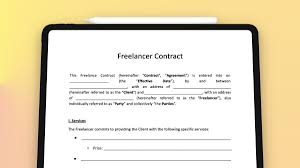
A freelance contract is a formal agreement. It spells out the terms of your working relationship. This includes what you will do, when you will do it, and how much you will be paid.
It’s a vital document for setting clear expectations. Using a template is a smart way to start. It gives you a solid base to work from.
You can then adjust it for each specific job.
Think of it as a roadmap for your project. It shows where you’re going together. It also highlights any potential bumps in the road.
A good contract avoids misunderstandings down the line. It ensures everyone is on the same page. This helps build trust and a stronger working relationship.
Many people worry about legal jargon. But the core ideas are quite simple.
Why Contracts Are Non-Negotiable for Freelancers
When you’re working for yourself, you’re the whole business. That means you handle everything. This includes marketing, sales, and delivering the work.
It also means you need to protect yourself legally. A contract is your first line of defense. It’s not about distrusting clients.
It’s about professionalism and managing risk. Every freelance job, big or small, needs one.
Without a contract, you might face issues. You could have clients who don’t pay. Or they might try to change the project scope endlessly.
They could even try to claim ownership of your work unfairly. A well-written contract prevents these problems. It outlines your responsibilities and the client’s responsibilities.
This clarity is key. It saves you time and money in the long run.
Most clients expect you to have a contract. It shows you are serious about your business. It means you are organized and professional.
This can actually help you win more clients. They see you as a reliable partner. So, don’t skip this step.
It’s one of the most important things you can do for your freelance career.
My Own Contract Scare
I remember one of my first big freelance projects. It was for a startup that seemed really promising. We talked for hours about their vision.
I felt a real connection to the work. We agreed on a price and a deadline. I was so excited that I jumped right in.
I sent over a few initial ideas and started designing. I didn’t think I needed a formal contract because they seemed so nice and professional.
Weeks later, I’d completed a significant chunk of the work. Then, the “scope creep” began. They started asking for extra features.
They’d say things like, “Can you just add this one little thing?” Each request seemed small on its own. But they added up fast. My workload became twice what we initially agreed upon.
Then came the payment issue. They claimed some of the work wasn’t what they expected. They wanted to hold back a big portion of my fee.
I felt a knot of panic in my stomach. I had no written agreement to back me up. It was my word against theirs.
It took a lot of uncomfortable back-and-forth. I had to compromise and do extra work for free. I eventually got paid, but much less than I deserved.
I also felt really stressed and undervalued. That experience taught me a huge lesson. Never, ever start work without a signed contract.
It’s not about being difficult; it’s about protecting your livelihood and your peace of mind.
Key Elements of a Freelance Contract
Every good contract covers these main points:
- Services Provided: What exactly are you doing?
- Deliverables: What will the client receive?
- Payment Terms: How much, when, and how will you be paid?
- Timeline: Start dates, end dates, and milestones.
- Ownership/Rights: Who owns the final work?
- Confidentiality: Keeping client information private.
- Termination Clause: How either party can end the agreement.
- Governing Law: Which state’s laws apply.
Essential Components of a Freelance Contract Template
When you look at freelance contract templates, you’ll see a standard set of sections. Understanding these helps you customize them. You want a template that is comprehensive but easy to understand.
You don’t need a law degree to grasp the main ideas. Let’s break down what’s typically included.
1. Parties Involved
This is straightforward. It identifies you and your client. You’ll list your full legal name and address.
The client will also provide their full legal name and address. If the client is a company, you’ll use the company name and address. Make sure these details are accurate.
This part formally begins the agreement.
2. Scope of Work
This is the heart of the contract. It clearly defines what services you will perform. Be as specific as possible.
Instead of saying “write blog posts,” say “write 4 blog posts, each approximately 1000 words long, on topics related to sustainable living, approved by the client prior to writing.” Vague descriptions lead to disputes. You want to avoid any guesswork here. What exactly are you creating or doing for them?
This section should also list the final deliverables. What will the client receive at the end? Will it be a set of design files?
A written report? A finished website? Specify the format and quantity.
This ensures both sides agree on the end product. It’s about setting clear boundaries for your work. This protects you from being asked to do things outside the original agreement.
3. Payment Terms
This is another crucial area. It details the total cost of the project. It also explains how and when you expect to be paid.
Common payment schedules include:
- Upfront Deposit: A percentage of the total fee paid before work begins. This shows the client is committed. It also helps cover your initial costs. A common rate is 25% or 50%.
- Milestone Payments: Payments made as specific project stages are completed. This is good for larger projects. It ensures you get paid as you work. It also gives the client a sense of progress.
- Net 30/Net 60: Payment due within 30 or 60 days after the invoice is issued. This is common for established clients.
- Payment Upon Completion: The entire fee is paid when the project is finished. This is riskier for freelancers.
Specify the accepted payment methods. This could be bank transfer, PayPal, check, etc. Also, include details about late fees.
What happens if the client misses a payment deadline? Clearly state any interest that will be charged. This encourages timely payments and compensates you for the delay.
Payment Schedule Options
| Schedule Type | Description | Best For |
|---|---|---|
| Upfront Deposit | Percentage paid before work starts. | Starting new projects, showing client commitment. |
| Milestone Payments | Payments after specific project stages. | Large, multi-phase projects. |
| Net 30/60 | Payment due 30 or 60 days after invoice. | Established clients, ongoing work. |
| On Completion | Full payment when project is done. | Small, simple projects; higher trust required. |
4. Project Timeline and Deliverables
This section sets the schedule. It should include a start date and an estimated completion date. For longer projects, break it down into milestones.
Each milestone should have its own deadline. Clearly state what deliverables are tied to each milestone. This keeps the project on track.
It also helps manage client expectations.
What happens if there are delays? The contract should address this. For example, if the client doesn’t provide feedback or materials on time, it might push back the deadline.
This is fair. Your timeline should account for potential client-related delays. It should also mention what happens if you encounter unavoidable delays.
Transparency here is key.
5. Intellectual Property and Ownership
This is a really important part, especially for creative work. It defines who owns the final product. Usually, once the client pays you in full, they own the rights to the work you created for them.
This is called assigning copyright. You want to be clear about what you are handing over.
Are there any elements you want to retain rights to? For example, as a writer, you might want to use a portfolio sample. As a designer, you might want to show a logo in your portfolio.
This section allows you to specify that. You can grant the client exclusive rights for their use, but retain the right to showcase your work. If you use stock images or fonts, specify if the client needs to purchase licenses separately.
6. Confidentiality
Your clients might share sensitive business information with you. This could include trade secrets, customer lists, or financial data. A confidentiality clause, also known as a non-disclosure agreement (NDA), protects this information.
It legally obligates you to keep their details private. This builds trust. It shows you respect their business and their privacy.
This clause usually covers the duration of the agreement and a period after it ends. You should also expect clients to sign one for you if you’re handling their sensitive data. It’s a two-way street for trust.
Make sure you understand what kind of information is considered confidential.
7. Termination Clause
Sometimes, projects don’t work out. A termination clause outlines how either party can end the contract. It should specify the conditions under which termination is allowed.
This could be for a material breach of contract (like non-payment or failure to deliver). It can also be for convenience, meaning either party can end the contract with notice.
If termination occurs, the contract should state what happens next. This usually involves payment for work completed up to that point. It might also require the return of any client property or information.
A clear termination clause prevents disputes if the relationship sours. It ensures a professional exit.
8. Governing Law and Dispute Resolution
This section states which state’s laws will govern the contract. It also explains how disputes will be handled. Common methods include:
- Mediation: A neutral third party helps you and the client reach an agreement.
- Arbitration: A neutral third party hears both sides and makes a binding decision. This is often faster and cheaper than going to court.
- Litigation: Taking the case to court.
Choosing arbitration or mediation can save a lot of time and money. It’s generally preferred over court battles for freelance disputes. Make sure the governing law is a state you are familiar with, or where your client is located.
Contrast Matrix: Contract vs. No Contract
With a Contract
Clear Expectations: Both sides know what to expect.
Payment Security: Defines payment terms and late fees.
Dispute Resolution: Outlines how disagreements are handled.
Professionalism: Shows you are serious about your business.
Risk Management: Protects against scope creep and non-payment.
Without a Contract
Ambiguity: Room for misunderstandings and assumptions.
Payment Risk: May not get paid or payment delayed.
Unclear Process: No defined steps for problems.
Unprofessional Can appear unprepared.
High Risk: Vulnerable to scope creep, unfair claims.
Where to Find Reliable Freelance Contract Templates
You don’t have to draft a contract from scratch. There are many resources for freelance contract templates. The key is to choose ones from reputable sources.
Here are a few common places to look:
1. Freelance Platforms
Many freelance marketplaces have their own contract templates or integrated systems. For example, Upwork and Fiverr often have built-in agreements. These are designed for their specific platforms.
They cover common scenarios within that environment. While convenient, they might not be as customizable as a standalone template.
These platforms handle payment processing and disputes. So, their contracts are often tailored to that system. They’re a good starting point if you work exclusively through them.
Just read through their terms carefully to understand what you’re agreeing to.
2. Legal Template Websites
There are websites dedicated to providing legal documents. Many offer free or low-cost contract templates. Some popular ones include:
- Rocket Lawyer
- LegalZoom
- PandaDoc
- HelloSign (often integrates with e-signature)
These sites often have a wide range of templates for different situations. You might find generic freelance contracts or ones tailored to specific industries (like graphic design or writing). Some offer a free trial or a few free documents.
Others require a subscription or per-document fee.
When using these, pay close attention to the customization options. Can you easily edit the terms to fit your needs? Does the template cover all the essential clauses we discussed?
Some sites offer guided setup processes that help you build a contract.
3. Professional Organizations and Industry Groups
Your professional industry might have resources. For instance, writer’s guilds or designer associations sometimes offer contract templates to their members. These are often vetted by legal professionals who understand the specific needs of that industry.
Membership might be required, but the cost can be worth it for access to these specialized resources.
These templates are usually highly relevant to the work you do. They take into account common practices and potential pitfalls within your field. Check if any professional bodies you belong to offer such benefits.
4. Legal Counsel (When Necessary)
For high-value projects or complex agreements, consider consulting a lawyer. While templates are great for general use, they might not cover every nuance of a unique situation. A lawyer can draft a custom contract for you.
They can also review your template to ensure it’s legally sound and protects your interests fully. This is an investment, but it can prevent costly mistakes.
If you’re unsure about any clause in a template, or if you’re dealing with a very large client or project, a legal review is wise. It’s like getting a second opinion from a specialist. They can spot things you might miss.
Infographic-Style: Choosing the Right Template
Platform Integrated
Pros: Easy to use, built-in system.
Cons: Less customizable.
Best For: Freelancers on specific marketplaces.
Legal Template Sites
Pros: Wide variety, often affordable.
Cons: May require careful review and customization.
Best For: General freelance needs, budget-conscious freelancers.
Industry Specific
Pros: Highly relevant, industry-standard terms.
Cons: May require membership.
Best For: Specialized fields like writing, design, programming.
Custom Legal Draft
Pros: Tailored to your exact needs, expert advice.
Cons: Most expensive option.
Best For: High-value projects, complex situations, peace of mind.
Common Pitfalls to Avoid with Freelance Contracts
Even with a template, it’s easy to make mistakes. Being aware of common pitfalls can save you a lot of trouble. These are the traps that often lead to disputes or financial loss.
Let’s look at what to watch out for when using freelance contract templates.
1. Vague Scope of Work
As mentioned before, this is a big one. If your contract says “create marketing materials,” what does that really mean? Does it include social media graphics?
Website banners? Brochures? Without specific details, the client might assume more work than you intended.
Always define the exact number of revisions. State the specific types of content and their formats.
What about stock assets? Are you responsible for purchasing licenses for photos or fonts? Or is that an extra cost for the client?
Clarify everything. This prevents disagreements about what was agreed upon. It ensures you are compensated fairly for the work you do.
2. Unclear Payment Terms
Don’t just state a total fee. Explain the payment schedule in detail. When is the deposit due?
When are milestone payments released? What are the consequences for late payments? Is there a grace period?
Some freelancers forget to specify currency. If you’re working with an international client, make sure the contract states the currency (e.g., USD, EUR). Also, consider payment processing fees.
Who covers those? For example, PayPal might take a small percentage. Clearly stating this avoids surprises.
3. Inadequate Termination Clause
A contract that’s hard to get out of can be a problem. What if you realize the client is impossible to work with? Or if their project changes direction entirely?
A good termination clause lets you exit gracefully. It should state how much notice is required. It should also clarify how you’ll be compensated for work already done.
This protects you if you need to walk away from a project.
Similarly, if a client needs to terminate, they should know the process. This ensures you are paid for your time and effort. It’s about setting clear exit strategies.
This shows professionalism even when ending a relationship.
4. Not Getting it Signed
This is the most critical mistake. You have a perfect contract, but you never got it signed. Without a signature, it’s just a draft.
It holds no legal weight. Make sure both parties sign the agreement before any work begins. Electronic signatures are perfectly acceptable and widely used.
Tools like DocuSign, HelloSign, or even PDF editors allow for easy e-signatures. Once signed, keep a copy for your records. Share a signed copy with your client as well.
This ensures both parties have the official, agreed-upon document.
5. Using a Generic Template Without Customization
A template is a starting point, not a final document. Every client and every project is different. Simply filling in the blanks might miss crucial details specific to your agreement.
You need to read through every clause. Ask yourself if it truly applies to your situation. Does it protect you adequately?
For example, a standard template might not account for the specific type of software or tools you use. Or it might not cover the specific usage rights the client needs for your work. Take the time to tailor the template.
If you’re unsure how to adapt a clause, seek advice. Customization is key to a truly effective contract.
Quick Scan: Red Flags in a Template
- Vague language: Words like “reasonable,” “best effort” without definition.
- Missing clauses: No mention of intellectual property, termination, or governing law.
- One-sided terms: Clauses that heavily favor the client or you without justification.
- Unrealistic deadlines: Timelines that don’t account for feedback or revisions.
- Unclear payment amounts or schedules.
Tailoring Templates for Different Freelance Niches
While many contract principles are universal, specific industries have unique needs. Using a template designed for your niche can be very helpful. Let’s look at a few examples.
Graphic Designers and Illustrators
For visual creatives, intellectual property is paramount. Contracts should clearly define:
- Usage rights: Where and how can the client use the final artwork? (e.g., web, print, merchandise).
- Number of concepts presented: How many initial design ideas will you show?
- Revisions: How many rounds of changes are included?
- Deliverable formats: (e.g., AI, EPS, JPG, PNG).
- Portfolio rights: Your right to display the work.
A graphic design contract template might also include clauses about stock imagery if you use it. It should clarify who pays for licenses.
Writers and Editors
Writers deal with content creation. Key contract points include:
- Word count or length expectations.
- Number of revisions: Typically includes a set number of rounds.
- Editing scope: What kind of editing is included (e.g., proofreading, line editing, developmental editing)?
- Plagiarism warranty: You guarantee the work is original.
- Content ownership: Usually transfers upon full payment.
A writer’s contract needs to be precise about the topic, tone, and style guide if applicable. It should also specify content format (e.g., blog post, website copy, white paper).
Web Developers and Programmers
Tech-focused freelancers have specific concerns:
- Project scope: Detailed list of features and functionalities.
- Bug fixing: What happens if bugs appear after launch?
- Third-party integrations: How will you handle integrations with other software?
- Hosting and domain names: Who is responsible for these?
- Maintenance and support: Is ongoing support included?
- Ownership of code: Who owns the source code?
For developers, the contract should also clearly state the technology stack used. It should define performance expectations and testing procedures. The responsibility for data security and backups is also important to clarify.
Scenario: The Unexpected Bug
Situation: A web developer launches a new e-commerce site. A week later, a customer reports a bug in the checkout process. The client is upset and wants it fixed immediately, claiming it’s a breach of contract.
Contract Solution: A well-written contract includes a bug-fixing clause. It might state that the developer will fix critical bugs reported within 30 days of launch at no extra cost. However, it also clarifies that issues arising from client-uploaded content or third-party software are not the developer’s responsibility.
This prevents disputes by pre-defining what happens.
Making Sure Your Contract is Legally Sound
While templates are helpful, ensuring your contract is truly legally sound is important. This involves a few key steps. It’s about making your agreement robust and enforceable.
1. Read Every Word
I know it’s tempting to just fill in the blanks and sign. But please, read every single word of the template. Understand what each clause means.
If a term seems confusing, look it up or ask for clarification. Don’t just assume it’s fine. Your understanding is your first line of defense.
Think about common legal terms. For instance, “indemnify” means to protect someone from loss. “Waiver” means giving up a right.
Knowing these helps you grasp the impact of a clause.
2. Consult with Legal Experts
If you’re dealing with a significant project value, or if the terms are complex, don’t hesitate to consult a lawyer. A contract review by a legal professional can be invaluable. They can spot potential issues you might have missed.
They can also advise on best practices for your specific industry and location.
Many lawyers offer affordable initial consultations. You might be able to get a review of your templated contract for a fixed fee. This is a smart investment to protect your business.
Consider it insurance against future problems.
3. Understand Your Client’s Jurisdiction
If your client is in a different state or country, their local laws might apply. This can affect contract enforceability. Research the general business laws in your client’s location.
If the contract is for a large amount, you might want to consult a lawyer familiar with both your and your client’s jurisdictions.
This is especially important for international clients. Contract laws vary greatly. A clause that is standard in the U.S.
might not be valid elsewhere. Always ensure your contract is enforceable where it matters.
4. Keep Records
Once signed, keep digital and/or physical copies of all contracts. Store them in a safe and organized place. Also, keep records of all communication related to the project, especially anything that might amend or clarify the contract.
This includes emails, meeting notes, and project updates.
These records can be crucial if a dispute arises. They serve as evidence of your agreement and your actions. They can help jog your memory about specific decisions made during the project.
Good record-keeping is part of sound business practice.
What This Means for Your Freelance Business
Using well-crafted freelance contract templates is not just about avoiding trouble. It’s about building a solid foundation for your freelance business. It shows professionalism.
It sets clear expectations. It protects your income and your reputation.
When you approach clients with a contract, you signal that you are a serious professional. They know you are organized and understand the importance of clear agreements. This can lead to more trust and smoother working relationships.
Clients who respect contracts are usually easier to work with.
Think of your contract as a tool. It’s a tool that helps you communicate effectively. It helps you manage risks.
It helps you get paid fairly for your hard work. Investing a little time in finding and customizing the right templates will pay off immensely in the long run. It’s an essential part of building a sustainable and successful freelance career.
Frequently Asked Questions about Freelance Contracts
What is the most important part of a freelance contract?
The most important part is usually the Scope of Work. This section clearly defines what you will do for the client. It prevents misunderstandings about your responsibilities and deliverables. A well-defined scope protects you from scope creep.
Do I need a lawyer to review every freelance contract?
Not necessarily for every single contract. For small, low-risk projects, a good, well-understood template might be enough. However, for high-value projects, complex agreements, or if you’re unsure about any terms, consulting a lawyer is highly recommended. It’s an investment in your business security.
Can I use a template I found for free online?
You can use free templates, but always be cautious. Ensure the source is reputable. Read the template very carefully and understand all its clauses. A free template might not be specific enough for your industry or location. It’s wise to customize it and consider legal advice if the project is significant.
What if the client wants to change the contract after signing?
Any changes to a signed contract should be made through a written amendment. This amendment must be agreed upon and signed by both parties. Verbal agreements to change a contract are not legally binding. Always document any contract modifications officially.
How long should a freelance contract be?
There’s no set length. The goal is clarity, not length. A contract should be comprehensive enough to cover all necessary terms but easy to understand. A simple project might require a shorter contract, while a complex one might need more detail. Aim for clarity and completeness over a specific word count.
What’s the difference between a contract and an invoice?
A contract is an agreement made before work begins. It outlines the terms of the project and the relationship. An invoice is a bill sent after work is completed or at agreed-upon milestones. It requests payment for services rendered according to the contract.
Conclusion
Mastering the use of freelance contract templates is a key skill for any freelancer. They are your essential tools for clarity, protection, and professionalism. By understanding the core components and potential pitfalls, you can confidently use templates to build strong agreements.
This leads to better client relationships and a more stable, profitable freelance career. Protect your work and your business with a solid contract.