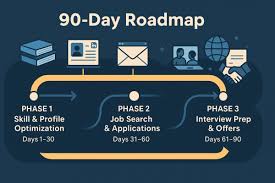
A remote career roadmap is your plan for working outside a traditional office. It shows your goals and the steps to reach them. This guide helps you map out your remote work future with clear steps and advice.
What is a Remote Career Roadmap?
A remote career roadmap is like a map for your job. But instead of streets, it shows skills. Instead of cities, it shows job types.
It helps you see where you are now. It shows you where you want to go. It lists the steps you need to take.
This is true for any job. It is especially true for remote work.
Remote work offers new chances. It also has unique challenges. Your roadmap helps you navigate these.
It guides you in choosing the right jobs. It helps you build the right skills. It prepares you for the remote work life.
Think of it as your personal guide. It ensures you don’t get lost.
This map includes:
- Your current skills.
- Skills you need to learn.
- Types of remote jobs that fit you.
- Steps to find and get those jobs.
- Ways to grow in your remote career.
My Remote Work Journey: The Early Stumbles
I remember starting my own remote work journey. It was about five years ago. I had this big idea of working from a beach.
I pictured myself typing away with my laptop open. The ocean breeze felt so good. But reality hit hard.
I was glued to my small apartment. The Wi-Fi was spotty. Finding good remote jobs felt like looking for a needle in a haystack.
I applied to dozens. I got few replies. I felt a bit lost.
Was this dream even possible?
One afternoon, I was on a video call. My cat walked across my keyboard. The client’s screen went black.
I felt a wave of panic. This wasn’t the professional image I wanted. I realized I needed more than just a laptop.
I needed a real plan. I needed to understand the remote world better. I needed to build a structured path, not just a wish.
That feeling of near-disaster pushed me to create my first real roadmap. It was messy at first. But it started to make sense.
Mapping Your Skills for Remote Work
Your skills are the foundation. For remote work, some skills are extra important. These are often called “soft skills.” But they are really essential skills.
They help you work well alone. They also help you connect with others. Technical skills matter too.
Your roadmap must list these clearly.
Key Remote Work Skills to Map
Communication: Writing clearly is vital. You can’t just tap someone on the shoulder. Being good at emails, chats, and video calls is key.
Self-Discipline: No boss is looking over your shoulder. You need to stay focused. You must finish tasks on time.
Time Management: You control your day. You must balance work and life. Good planning helps avoid stress.
Problem-Solving: Things will go wrong. You need to fix them yourself. You can’t always ask for help right away.
Tech Savvy: Using different tools is common. You must learn new software easily.
Think about your current skills. Write them down. Be honest.
What are you good at? What do you need to improve?
Skill Assessment: Your Starting Point
Current Skill: Writing reports.
Remote Relevance: Very high. Many remote jobs involve writing.
Current Skill: Fixing my car.
Remote Relevance: Low. Unless you want to be a remote mechanic trainer.
Current Skill: Organizing files.
Remote Relevance: High. Good organization helps remote productivity.
Your roadmap should show gaps. If you need better writing skills, note that down. If you want to learn a new software, add it.
Identifying Remote-Friendly Roles
Not all jobs can be done remotely. But many can. Your roadmap needs to list jobs that fit your skills.
It should also consider your interests. What kind of work do you enjoy?
Think about industries. Some are very remote-friendly. Tech is one.
Marketing is another. Customer service is also a big one. Content creation is popular.
Many roles in these fields can be done from home.
Consider job titles. Some common remote titles include:
- Remote Customer Support Specialist
- Virtual Assistant
- Content Writer
- Social Media Manager
- Web Developer
- Online Tutor
- Project Manager (Remote)
- Data Entry Clerk
Your roadmap should list 2-3 roles you are interested in. Research these roles. What do they really do?
What skills do they require?
Spotlight on Remote Roles
Virtual Assistant: Helps businesses with tasks like scheduling, email, and data entry. Needs great organization and communication.
Content Writer: Creates articles, blog posts, and web copy. Needs strong writing and research skills.
Customer Support: Answers customer questions via phone, email, or chat. Needs patience and good problem-solving.
Look for jobs that match your skills. Don’t be afraid to explore new areas. But remember to focus.
Too many options can be confusing.
Building the Skills Gap Bridge
Once you know your skills and target roles, you see the gaps. This is where learning happens. Your roadmap should plan this learning.
How will you gain the needed skills?
There are many ways to learn. Online courses are popular. Websites like Coursera, Udemy, and edX offer many options.
Look for courses related to your target jobs. Certificates from these courses can look good on a resume.
Read books. Listen to podcasts. Follow experts in your field.
Many remote workers share tips online. Join online communities. These places offer support and advice.
They can also point you to learning resources.
Practice is also key. If you need to learn graphic design, try free tools. Create sample projects.
Build a portfolio. This shows employers what you can do.
Your Learning Plan Ideas
Goal: Improve writing skills.
Action: Take an online course on business writing. Practice writing blog posts.
Goal: Learn project management software.
Action: Watch YouTube tutorials. Try the free version of a tool like Trello or Asana.
Goal: Understand social media marketing.
Action: Read industry blogs. Follow marketing experts on LinkedIn.
This part of your roadmap is active. It’s about doing. It’s about growing your abilities.
Make a timeline for your learning. When will you start? When do you want to finish?
Crafting Your Remote Resume and Profile
Your resume is your first impression. For remote jobs, it needs to shine. It must show you are a good fit for remote work.
Highlight relevant skills. Use keywords from job descriptions.
Focus on results. Instead of saying “Managed social media,” say “Increased social media engagement by 20% in six months.” Numbers and outcomes are powerful.
Your online presence matters too. LinkedIn is very important for remote work. Make sure your profile is complete.
It should match your resume. Add a professional photo. Ask for recommendations from past colleagues or clients.
Many remote jobs use applicant tracking systems (ATS). These systems scan resumes for keywords. Make sure your resume includes terms like “remote,” “virtual,” “telecommute,” and terms specific to your target roles.
Resume Tips for Remote Roles
Use clear headings: Summary, Skills, Experience, Education.
Highlight remote skills: Communication, self-discipline, tech skills.
Quantify achievements: Use numbers and data to show impact.
Tailor your resume: Change it for each job you apply for.
Proofread carefully: Errors can get your application rejected.
Your roadmap should include a step for updating your resume. Set a date for this. Do it before you start applying heavily.
The Job Search Strategy for Remote Workers
Finding remote jobs requires a strategy. Don’t just browse random job boards. Use sites that focus on remote work.
Some popular ones include:
- Remote.co
- We Work Remotely
- FlexJobs
- AngelList (for startup jobs)
- LinkedIn Jobs (use the remote filter)
Network. Let friends and former colleagues know you’re looking for remote roles. Many jobs are found through connections.
Attend virtual networking events. Join online groups related to your field.
Be patient. The remote job market can be competitive. Don’t get discouraged if it takes time.
Keep refining your search. Keep improving your skills. Your roadmap should include a section for tracking your applications.
Tracking Your Job Hunt
Date Applied:
Company:
Job Title:
Platform:
Status: (Applied, Interviewing, Rejected, Offer)
Notes:
This tracking helps you see what’s working. It shows you where you need to adjust your efforts.
Navigating Remote Interviews
Remote interviews are different. You’ll likely do them via video. Prepare your space.
Make sure the background is clean. Check your internet connection. Test your microphone and camera.
Dress professionally, at least from the waist up. Practice your answers to common interview questions. Think about how you’ll demonstrate your remote work skills.
For example, if asked about time management, give an example of how you plan your day.
Ask questions. This shows your interest. Ask about team communication.
Ask about remote work culture. Ask about typical work hours.
Follow up after the interview. Send a thank-you email within 24 hours. Reiterate your interest and key qualifications.
Your roadmap might have a step for “Practice Remote Interview Skills.”
Remote Interview Checklist
Test your tech: Camera, mic, internet.
Prepare your space: Clean background, quiet.
Dress professionally: Look the part.
Research the company: Show you know them.
Practice your answers: Be ready for questions.
Prepare your own questions: Show engagement.
Send a thank you note: Follow up politely.
Your roadmap helps you feel ready for this. It reduces the surprise factor.
Setting Up Your Remote Workspace
A good workspace is vital for remote success. It helps you focus. It separates work from home life.
Your roadmap should include steps for this.
Find a quiet spot. If you can’t have a separate room, create a dedicated corner. Make it comfortable.
Good lighting is important. A comfortable chair and desk can prevent pain.
Invest in good tools. A reliable internet connection is non-negotiable. A good headset can help with calls.
Consider a second monitor if your work needs it.
Keep it organized. A messy desk can lead to a messy mind. Use organizers for your papers and supplies.
Workspace Essentials
Ergonomic Chair: Supports your back.
Reliable Internet: Fast and stable.
Good Lighting: Natural light is best.
Quiet Area: Minimal distractions.
Essential Tech: Laptop, headset, maybe a second monitor.
This physical setup is part of your mental setup. It supports your ability to work well.
Maintaining Work-Life Balance Remotely
This is a big challenge for many remote workers. The lines between work and home can blur easily. Your roadmap needs to address this.
It’s not just about working; it’s about living well.
Set clear work hours. Stick to them as much as possible. When your workday ends, try to switch off.
Close your laptop. Don’t check emails constantly.
Schedule breaks. Get up and move around. Step outside for fresh air.
Take a lunch break away from your desk. These small breaks help you stay fresh.
Communicate your boundaries. Let your family or housemates know your work hours. Explain when you need quiet time.
Work-Life Balance Strategies
Define work hours: Start and end times.
Create a shutdown routine: Signal the end of the workday.
Schedule personal time: Hobbies, exercise, family.
Take real breaks: Step away from your screen.
Communicate with others: Set expectations.
A balanced life leads to better work. It also leads to more happiness. Make this a priority in your roadmap.
Growing Your Remote Career
Getting a remote job is just the start. Growth is important too. Your roadmap should include steps for advancing.
How can you move up? How can you earn more?
Keep learning. The remote world changes fast. New tools and methods appear often.
Stay updated. Take advanced courses. Learn new skills that are in demand.
Seek new responsibilities. Offer to help with projects. Show that you can handle more.
This demonstrates your value to your employer.
Network continuously. Build relationships with colleagues and managers. These connections can open doors for new opportunities.
Career Growth in Remote Roles
Master your current role: Be excellent at what you do.
Seek feedback: Ask for constructive criticism.
Identify new skills: Look at what’s needed for the next level.
Take on challenges: Volunteer for new projects.
Build relationships: Connect with leaders and peers.
Your roadmap is a living document. Review and update it often. As you grow, your goals may change.
Common Pitfalls to Avoid on Your Roadmap
Even with a roadmap, you can hit bumps. Knowing these helps you steer clear. Many remote workers face similar issues.
Isolation: Working alone can feel lonely. Actively seek connection. Join online groups.
Schedule virtual coffee chats.
Overworking: The temptation to always be available is strong. Set boundaries. Protect your personal time.
Lack of visibility: It can be harder to be noticed when you’re remote. Make your work visible. Share your successes.
Communicate your contributions.
Tech issues: Always have a backup plan for internet problems. Know who to contact for IT help.
Pitfalls and Prevention
Pitfall: Feeling isolated.
Prevention: Schedule social calls. Join online communities.
Pitfall: Working too much.
Prevention: Set strict work hours. Create a “shutdown” routine.
Pitfall: Not being seen.
Prevention: Proactively share updates. Volunteer for visible projects.
Pitfall: Constant tech problems.
Prevention: Have backup internet. Know IT support contacts.
Your roadmap should include a section on these potential problems. Think about how you will handle them.
Real-World Scenario: The Freelance Writer’s Path
Meet Sarah. She wants to be a freelance writer. Her dream is to write for travel blogs.
Step 1: Skill Assessment. Sarah is a good writer. She loves travel. She needs to learn SEO and content marketing.
Step 2: Target Roles. Freelance travel writer. Blog content creator.
Step 3: Skill Building. Sarah takes an online course on SEO. She reads blogs about content marketing. She starts a personal travel blog to practice.
Step 4: Resume/Portfolio. She creates a portfolio of her writing samples. She highlights her blog posts and course certificates.
Step 5: Job Search. She uses sites like ProBlogger Job Board and Contently. She networks with travel bloggers on Instagram.
Step 6: Interviews. She has a few calls with clients. She shows them her portfolio and explains her understanding of SEO.
Step 7: Workspace. She sets up a small, bright desk in her living room.
Step 8: Balance. She sets work hours. She still travels and writes about her trips.
Step 9: Growth. She plans to learn video scripting for travel content.
Sarah’s Roadmap: Key Milestones
Month 1-3: Learn SEO, build portfolio.
Month 4-6: Start applying to jobs, get first clients.
Month 7-12: Gain regular clients, improve income.
Year 2+: Specialize in a niche, increase rates.
Sarah’s plan is clear and step-by-step. It helps her reach her goal.
What This Means for Your Remote Journey
A remote career roadmap is not a rigid set of rules. It’s a flexible guide. It helps you make smart choices.
It gives you direction. It boosts your confidence.
When it’s normal to feel unsure, that’s okay. Everyone starts somewhere. Your roadmap helps you take small steps.
These steps add up over time. It means you are in control of your career.
When to worry? If you feel stuck for a long time. If you aren’t learning or growing.
If your roadmap becomes outdated and you don’t update it. These are signs to re-evaluate.
Simple checks: Are you learning? Are you applying for jobs? Are you improving your skills?
Is your work-life balance good? These questions help you stay on track.
Roadmap Health Check
Learning Progress: Are you acquiring new skills?
Job Application Status: Are you actively searching or employed?
Well-being: Is your work-life balance healthy?
Goal Alignment: Do your current steps match your long-term vision?
Your roadmap should evolve with you. It’s a tool for success.
Quick Tips for Building Your Roadmap
Start small. Don’t try to plan your whole life at once. Focus on the next 6-12 months.
Be specific. Instead of “learn skills,” write “complete Python course on Udemy.”
Make it visual. Use a spreadsheet, a mind map, or a simple document.
Share it. Tell a trusted friend or mentor about your plan. Accountability helps.
Review it often. Set a date, like once a month, to look at your roadmap. See what you’ve done. Adjust what you need to.
Frequently Asked Questions About Remote Career Roadmaps
What if my current job isn’t remote-friendly?
That’s common. Your roadmap can include steps to transition. This might mean gaining new skills that are remote-friendly.
It could involve looking for a new remote role. The key is a planned move, not a sudden jump.
How long does it take to create a remote career roadmap?
The initial creation might take a few hours. But it’s a living document. You’ll spend time refining it regularly.
Think of it as an ongoing process, not a one-time task.
What if I don’t know what remote job I want?
That’s okay! Your roadmap can start with exploration. Research different remote industries and roles.
Try online skills assessments. Talk to people working remotely. The goal is to narrow down your options over time.
Do I need special software for my roadmap?
No, not at all. A simple Word document, Google Doc, spreadsheet, or even a notebook can work. Some people like using mind-mapping tools.
Choose what feels easiest and most accessible for you.
How often should I update my remote career roadmap?
At least quarterly is a good idea. Life changes. Your skills grow.
The job market shifts. A regular review ensures your roadmap stays relevant and useful.
What if I’m looking for my very first job remotely?
Your roadmap will focus on entry-level skills and roles. Highlight transferable skills from school or volunteer work. Look for internships or junior positions that offer remote options.
Conclusion: Your Path to Remote Success
Creating a remote career roadmap is an empowering step. It turns a dream into a plan. It guides you through skill-building and job hunting.
Remember to be flexible and patient. Your journey will be unique. Stick to your plan.
Adapt as needed. You can build a fulfilling remote career.